· 4 min read
What Is an Etching Tattoo? And How It Differs from Engraving
Loose, sketch-like lines and soft hatched shading. What an etching tattoo is, where the style comes from, how it differs from engraving, and how it ages.
By Clive Camilleri, blinc.ink, Highbridge
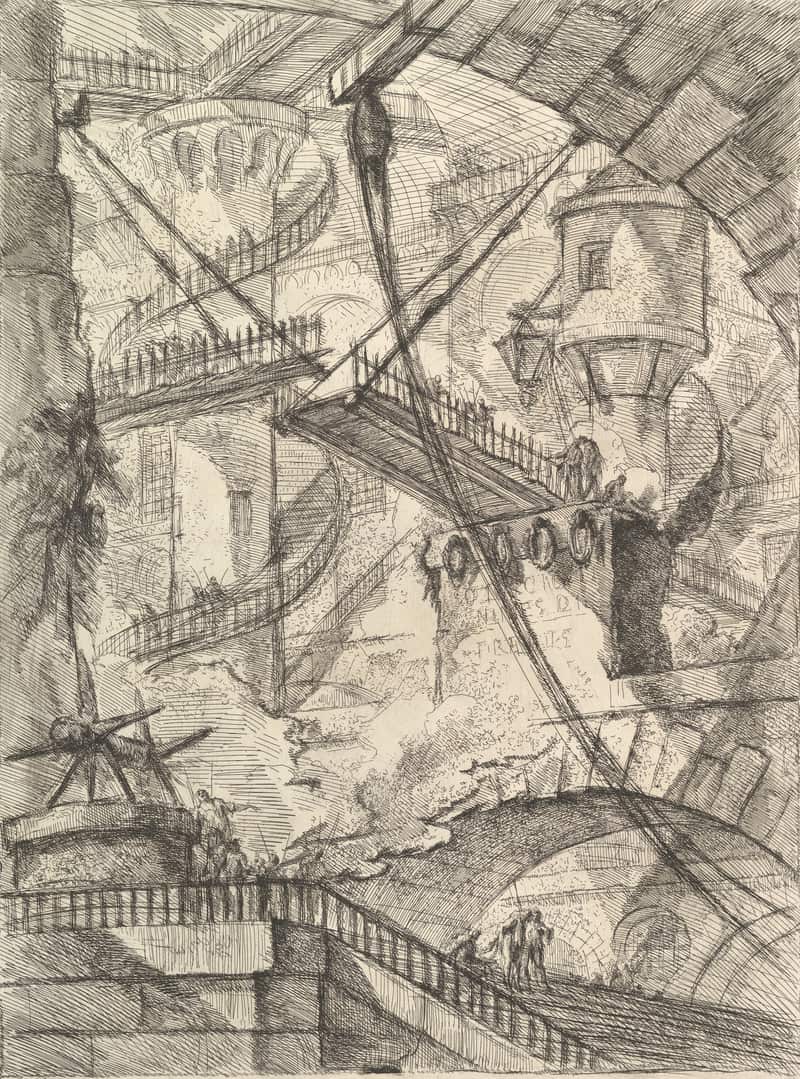
Etching is a style lots of people love without knowing its name. If you've saved a reference that looks like a page from an old sketchbook, all loose lines, scribbled shadows and a sense of movement, there's a good chance it's an etching rather than an engraving. Here's what etching is, and why the difference matters for your tattoo.
Where etching comes from
An etcher starts with a metal plate coated in a thin layer of acid-resistant wax. They draw through the wax with a fine needle, which exposes the metal wherever a line should be. The plate then goes into an acid bath, and the acid bites those lines into the metal. The longer a line is left in the acid, the deeper and darker it prints.
That's the key to the whole style: the artist draws, rather than carves. A needle moves through wax almost as freely as a pencil moves across paper, so etched lines can wander, loop, scribble and change direction in a way that's much harder with other printmaking tools.
The old masters loved it for exactly that reason. Rembrandt made hundreds of etchings, and Piranesi used the technique for his towering Imaginary Prisons, one of which is at the top of this page. You can see the freedom in every staircase and rope.
Etching vs engraving
Etching and engraving both print from lines cut into metal, which is why they get mixed up. The difference is in how those lines are made:
- Engraving is cut directly into the plate with a steel tool called a burin. It takes real force, so lines are deliberate and controlled. They swell and taper smoothly, and shading is built from neat, regular cross-hatching. Think banknotes and antique book plates.
- Etching is drawn through wax and bitten by acid. Lines are freer and more organic, shading is softer and more layered, and the whole image feels more like a drawing.
Neither is better. Engraving gives you precision and polish; etching gives you atmosphere and movement. If you'd like to see them side by side with close-ups of the original prints, my tattoo styles page has both.
What an etching tattoo looks like
On skin, an etching-style tattoo borrows that hand-drawn quality:
- Loose, flowing linework that feels sketched rather than ruled.
- Soft, layered hatching for shading, with lines building up over each other instead of sitting in a perfect grid.
- More open skin than engraving, so the design breathes and feels lighter.
- Varied line weight, with darker, heavier lines where the shadows sit and delicate ones where the light falls.
My vampire bat is a good example: the wings are shaded with fine, loose hatching that gives them texture without turning them into a solid block.
How etching tattoos age
All tattoos soften a little over the years as the ink settles in the skin. Because etching relies on finer, looser lines, the main thing is giving the design enough room. Hatching lines that are packed too tightly can slowly drift together and lose their texture.
When I draw an etching-style piece, I keep the hatching open enough to stay readable as it settles, and I'll always tell you honestly if I think a design needs to be a bit bigger to hold its detail. I'd much rather have that conversation now than see a tattoo blur in a few years. I go into this in more detail in how engraving, etching and woodcut tattoos age.
Subjects that suit etching
- Landscapes and atmosphere. Skies, trees, ruins and stormy seas, the things etchers drew best.
- Faces and figures. The soft shading suits portraits and classical figures.
- Creatures and nature. Animals, insects and botanicals with a natural, hand-drawn feel.
- Dark and gothic imagery. Bats, ravens, skulls and architecture look brilliant with that slightly wild etched line.
Is etching right for you?
Etching is a lovely choice if you want something that looks hand-drawn, atmospheric and a little less formal than engraving. If you prefer bold and graphic, woodcut might suit you better, and plenty of pieces mix the two.
You don't need to know which style you want before you get in touch. Send me your idea, a few references and where you'd like it, and we'll work it out together. There's no pressure, and the first chat is always free.
Getting an etching tattoo in Somerset
I tattoo etching, engraving and woodcut pieces 1-to-1 at Dermoda Studio in Highbridge, Somerset, about five minutes from Junction 22 of the M5. Have a look through the Flash Vault for ready-to-tattoo designs, or start a free consultation to talk about a custom piece.